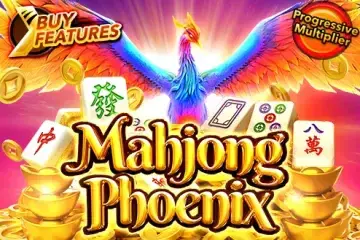
Mahjong Phoenix is easiest to understand when you stop trying to treat it like a mystery. Its identity is right on the surface: Mahjong symbolism mixed with phoenix imagery, a luck-forward Mahjong setup with a more dramatic reward profile. That kind of directness is useful because a recommendation does not always need hidden depth to feel intelligent. Sometimes it simply needs a clear point of view and enough confidence to stay inside it. Mahjong Phoenix does that well. It tells the player what kind of mood it wants to create, and it spends very little time apologising for it. For readers browsing a recommendation site, that honesty matters. It means you can tell very quickly whether the game belongs to you or not. It also means the game is easier to write about in a natural way, because you are responding to a real personality instead of trying to invent one.
Why the first impression matters
The reason Mahjong Phoenix stays recommendable is not just that it looks the part. It is that the first impression is aligned with the actual experience. The game promises Mahjong symbolism mixed with phoenix imagery, and the session largely follows through on that promise. That sounds simple, but plenty of titles miss this basic test. They borrow a theme, then fail to shape the feeling around it. Mahjong Phoenix is more disciplined than that.
That discipline helps the game land quickly. Players do not need to wait for a hidden layer to appear before they understand why the title exists. The appeal is visible from the start, and that is often exactly what makes a recommendation useful instead of academic.
How the session rhythm carries the game
Mahjong Phoenix works best when you pay attention to rhythm rather than mythology. What keeps people engaged here is the game turns familiar iconography into something more theatrical. The ordinary stretches do not feel brilliant, but they usually feel intentional, and that difference matters. A good recommendation does not only survive on peak moments. It survives on whether the space between those moments still feels alive.
In that respect, Mahjong Phoenix is solid. The mood stays coherent, the pace does not collapse into dead air too easily, and the game knows how to keep nudging the player forward. That is why it reads as lucky, dramatic, and slightly ceremonial instead of merely decorated.
Where it fits in a real library
Not every game needs to be the universal answer. Mahjong Phoenix is stronger when you treat it as a targeted recommendation. It belongs in lists for players who like familiar symbols but still want emotional heat, because that is where its strengths stop feeling generic and start feeling precise. On the wrong list it might look ordinary. On the right list it suddenly becomes very easy to justify.
That is usually a sign of a useful editorial pick. A title does not need to satisfy everyone if it solves a specific request cleanly. Mahjong Phoenix has that kind of value. It gives the site a sharper edge instead of another interchangeable card in the grid.
Who should click, and who should not
The best audience for Mahjong Phoenix is easy to describe: players who like familiar symbols but still want emotional heat. Those players are likely to understand what the game is offering and why its personality matters. For them, the recommendation feels honest rather than inflated.
At the same time, it is less convincing for anyone looking for a calm or neutral Mahjong pick. That is not a flaw so much as a boundary. Good recommendations get stronger when you admit their boundaries, and Mahjong Phoenix benefits from that kind of plain speaking.